
It is still rare for those of us who study and work in the Niagara region to acknowledge that we meet on Indigenous lands, over which Indigenous people still hold jurisdiction. As an organization primarily led by settlers on Turtle Island, land acknowledgements are one step in our ongoing efforts to position our work in a place of in solidarity that respects and supports the histories and protocols of this territory and Indigenous movements like Land Back and Idle No More.
Black, Indigenous, People of the Global Majority (BIPGM) Leadership, Resources, Activists and Artists in Niagara to support
This shared territory is held by Haudenosaunee [HO-DE-NO-SHO-NEE], Anishinaabeg [A-NISH-I-NAA-BEY], Wendat, and the Chonnonton peoples. This territory is also home to many Metis and Inuit people and all of us, both Indigenous and newcomers, are ‘treaty people’ responsible to uphold the treaty’s first made here.
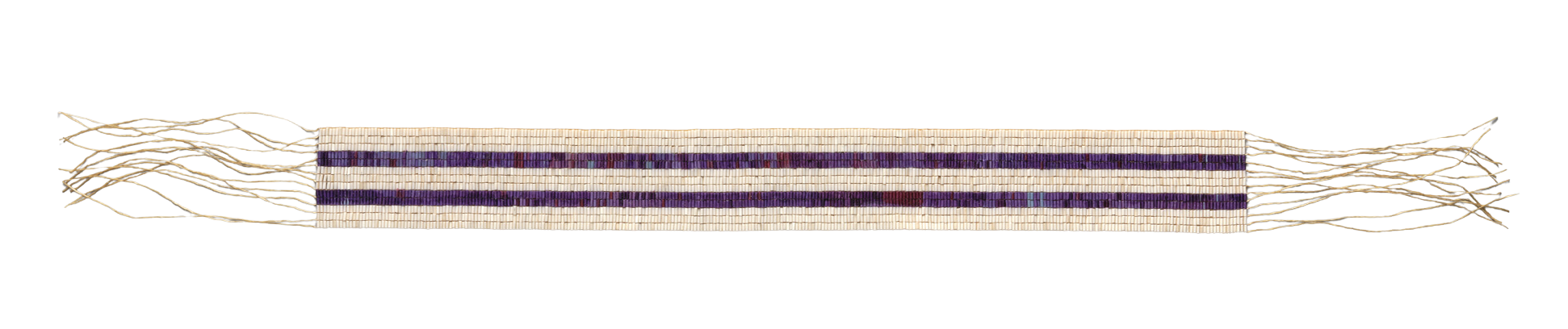
A key treaty governing this territory is the “Dish with One Spoon” agreement. This treaty exists between the Anishinaabe, Mississaugas and Haudenosaunee and binds them to share the territory and protect the land. Subsequent Indigenous people, settlers, and newcomers have been invited into this treaty in the spirit of peace, friendship and respect.
To be accountable to the treaties the first made here, it is essential that we root our discussion in the fact that historically and currently, Indigenous people are disproportionately targeted, stereotyped, and stigmatized. We see similar targeting happen to racialized communities, perpetuating long standing ideas of Anti-Black racism and a wide range of structural discrimination. These power dynamics and acts of violence enforce further issues of ableism, sanism, transphobia, classism, and increased incarceration, to name a few.
Legacies of colonization, racism, and capitalism are upheld everyday through our failure to address ongoing attacks on Trans and Two Spirit people, Black People, Indigenous People, and People of Colour, who have always been at the forefront of calling for essential societal change. We must be prioritizing these discussions and supporting the creative and political work of Indigenous and Black people and communities within Niagara, across this country and the world.
Through our activism, discussions of labour are integral to bring into our spaces; continually thinking about the precarious and poor working conditions, at Brock and throughout Niagara.
The Niagara Region prospers on the continued exploitation of migrant labour through our grape & wine and agriculture industries. Faced with continued violence and job precarity, we call on everyone in this meeting and your extended networks to work in solidarity with the Migrant Workers Alliance for Change and the Migrant Rights Network to demand permanent resident status for all.
Furthermore, when we think of universities, we think teachers and students. We would also like to acknowledge the support staff and janitorial staff who keep spaces like these going. Positions like these are often precarious and without support systems like unions but workers at a higher risk of poverty. We stand in solidarity with non-unionized and unionized workers who are continually fighter for improved working conditions. We strive to acknowledge the work that often goes unacknowledged, and to continually engage with and acknowledge the realities and identities not reflected in whichever spaces we find ourselves in.
We also acknowledge all of you, your knowledge, experiences, and backgrounds. The work of OPIRG Brock would be nothing without the community around it. We always strive to support more perspectives and more space for collective and intersectional liberation and justice. Thank you!